Our Work
Recent Projects
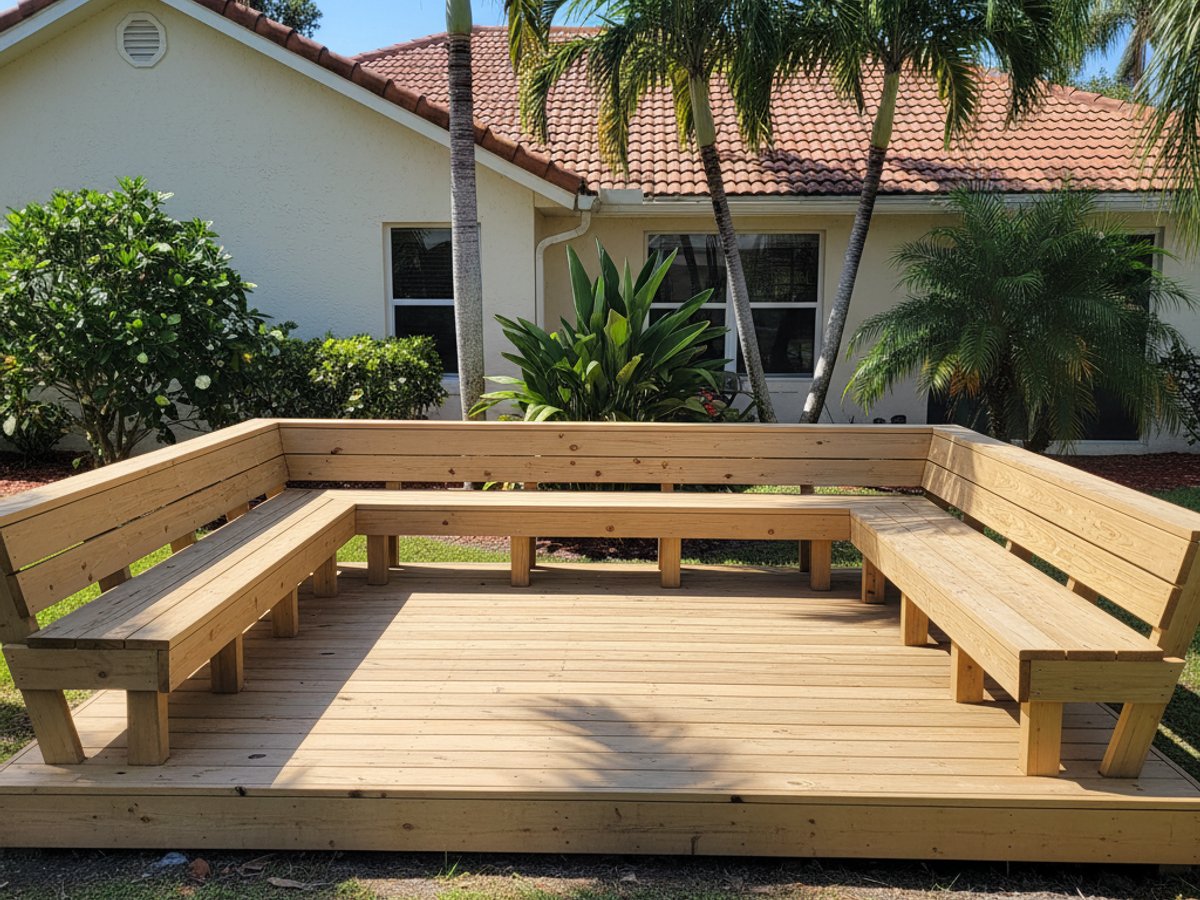
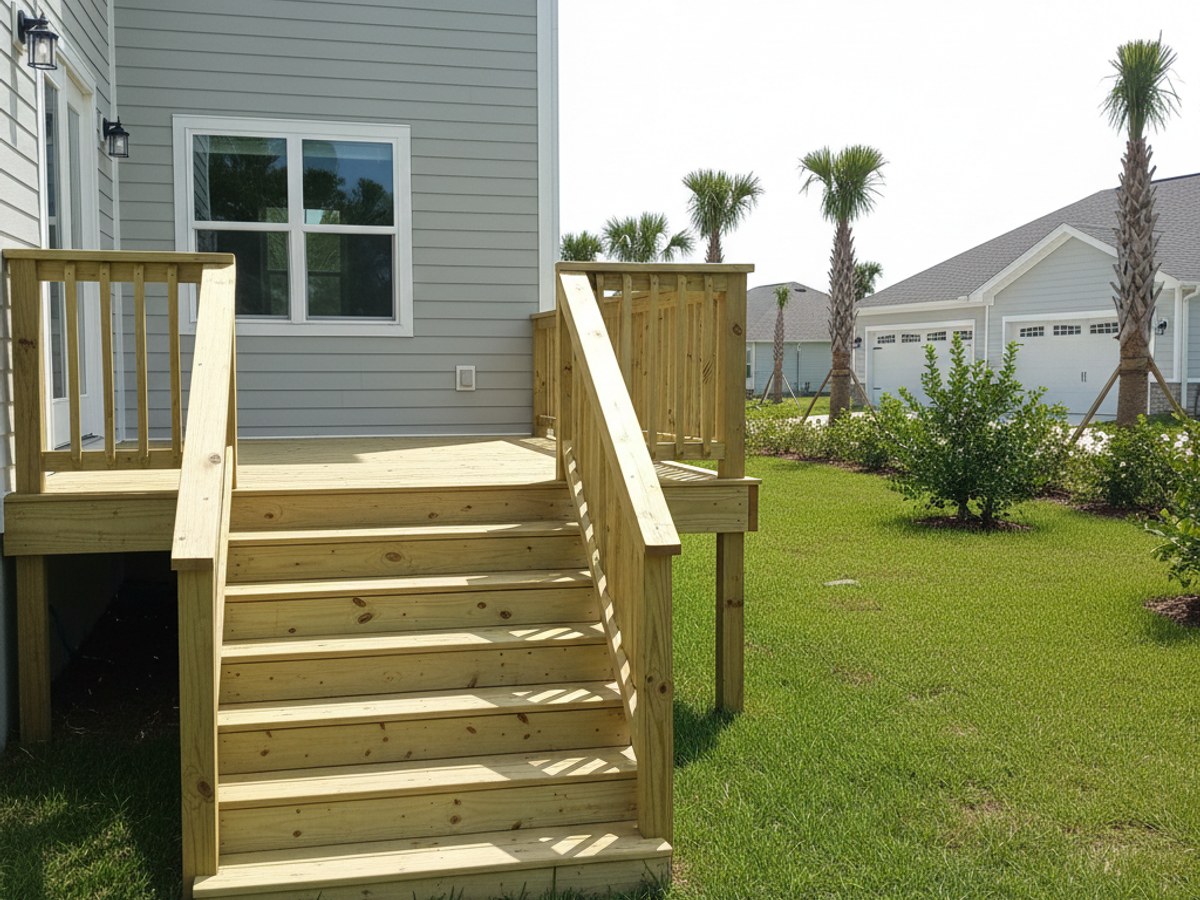
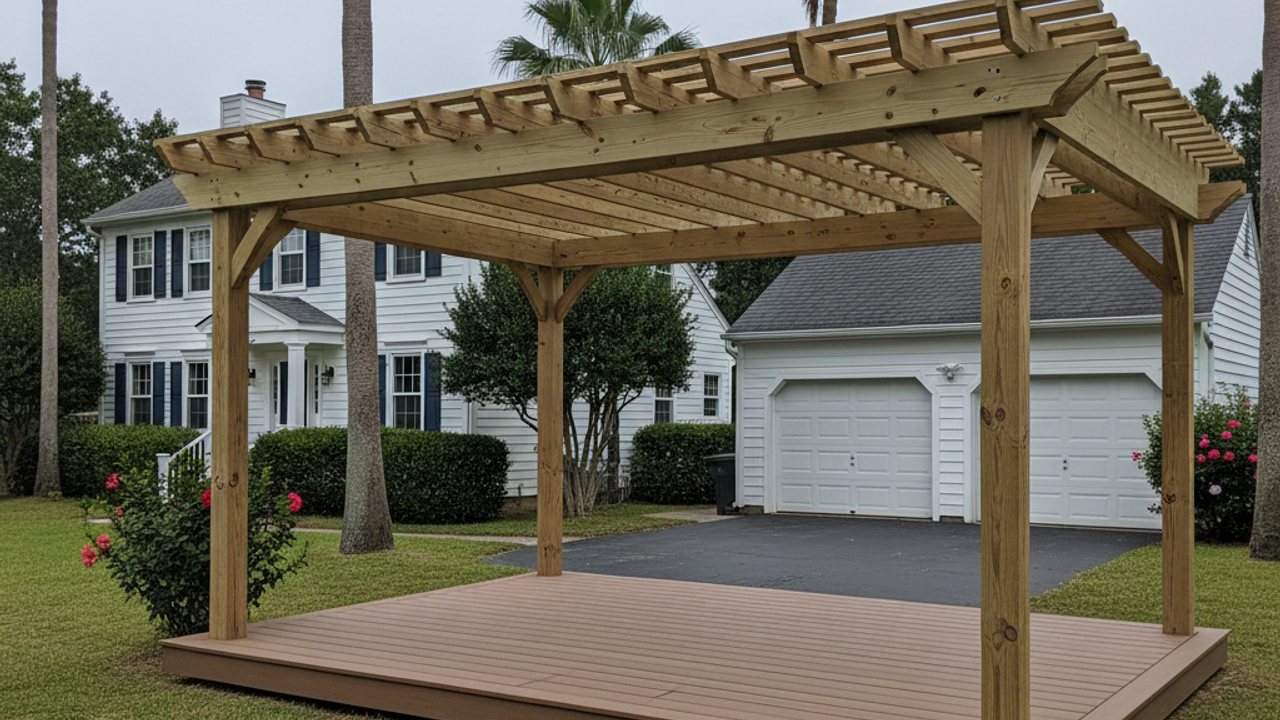
A few finished decks, from pressure-treated platforms to composite pool decks.
Every job below is one we do ourselves across Fort Lauderdale.
We build new decks from the footings up, sizing posts and beams for the actual load, not just what looks right on paper. Framing is pressure-treated pine or steel, and joist hangers get set with structural screws instead of nails. Most decks in this area also need a permit and at least one inspection before decking goes down, which we handle as part of the job.
Soft or spongy boards usually mean water's gotten into the end grain, and that spreads if it's ignored. We replace individual boards, joists or posts instead of automatically rebuilding the whole structure. If the ledger board attaching to the house has started pulling away, we re-flash and re-bolt it before it becomes a bigger problem.
Florida sun breaks down wood fiber fast, and an unsealed deck grays and splinters within a season or two. We pressure wash first, let the boards dry fully, then apply a penetrating stain and sealer rated for UV and standing water. Composite decking doesn't need this, which is one reason people switch.
Multi-level decks, built-in benches, pergolas and stairs laid out around how you actually use the yard, not a stock plan. We'll talk through board direction, railing style and where the shade falls in the afternoon before any lumber gets ordered.
Trex, TimberTech and similar composite boards cost more upfront but skip the annual staining and won't splinter or rot. We install with hidden fastener clips for a clean surface, and frame underneath with joists spaced tighter than code minimum, since composite needs more support than solid wood.
If the frame underneath is still solid, we can pull the old decking and put down new boards, wood or composite, without touching the structure. This is usually cheaper than a full rebuild and gets a tired-looking deck back to new in a few days.
Wobbly railings and loose balusters are one of the most common calls we get, and they're a safety issue, not just cosmetic. We install wood, aluminum or cable railing to code baluster spacing, which in most of South Florida means gaps too small for a 4-inch sphere to pass through.
Pool decks take more abuse from splashed water and pool chemicals, so we use decking and fasteners rated for that exposure and slope the surface slightly for drainage. Composite and certain hardwoods hold up better here than standard pressure-treated pine.
Leaning posts, bouncy sections and cracked beams usually trace back to undersized footings or fasteners that gave out. We dig new footings where needed, sister damaged joists, and re-anchor posts, then check the whole structure against current load requirements before any new decking goes on top.
Old decks come down board by board, and we haul away the lumber and any concrete footings you don't want reused. This is usually the first step before a rebuild, but we'll do a standalone removal if you're just clearing the space.
Four steps, and no surprises in any of them.
You tell us what you want doing, we look at what is actually there, and we ask the awkward questions early.
In writing, itemised, free. If something might add cost later we flag it now rather than at the end.
Same crew throughout. We cover your floors, keep the dust down and tidy up before we leave each day.
You point out anything you are not happy with and we fix it before the invoice, not after.
A few finished decks, from pressure-treated platforms to composite pool decks.
This is the general range for deck installation and repair, though it's worth asking if your city isn't listed.
Questions that come up once a deck project is actually underway.
Describe the problem and we will tell you what it probably is. No obligation.